Reliable Factory Paint Services for Heavy Industry Plants
Heavy industry plants in and around Joondalup operate in demanding conditions. Coastal air, strong summer UV, heavy equipment, chemical exposure and constant foot and vehicle traffic all wear down painted surfaces. Professional factory paint services do more than improve appearance. They protect structural steel, concrete and equipment, support workplace safety and help facilities meet compliance expectations in 2026. This guide explains what plant managers should look for in a coating program, which surfaces need specialist attention, and how to choose the right contractor.

Why Factory Painting Matters for Industrial Facilities
A factory's coating system is a working asset. Properly specified commercial painting reduces corrosion, seals porous surfaces, improves lighting reflectance, and makes floors and walkways safer. Neglected coatings, by contrast, lead to rust, concrete spalling, contamination risks and expensive repairs.
Joondalup sits close to the Indian Ocean, so airborne salt accelerates corrosion on exposed steel, roofing, cladding and fixtures. Combined with Western Australia's intense UV, standard decorative paints often chalk, fade or fail early on industrial sites. This is why anti-corrosion painting and high durability painting are central to any plant maintenance plan.
Core Commercial Painting Services for Heavy Industry
A capable commercial painting company offers comprehensive painting solutions covering every part of the facility, from the roof line to the floor slab. Typical commercial paint services for industrial plants include the following.
Anti-Corrosion and Protective Coatings
Structural steel, pipework, tanks, gantries and handrails need multi-coat systems, usually an inorganic zinc or epoxy primer, an epoxy intermediate coat and a polyurethane or polysiloxane topcoat. These systems are selected according to the corrosivity category of the environment, as outlined in AS 2312 and ISO 12944. Correct film thickness, measured with a dry film thickness gauge, is critical to long-term performance.
Industrial Equipment Painting
Industrial equipment painting covers machinery housings, conveyors, compressors, forklifts, racking, ducting and process vessels. Heat-resistant coatings, https://josuetlsl470.novacrestiq.com/posts/what-is-anti-corrosion-painting-and-why-does-it-matter chemical-resistant finishes and colour coding for safety identification may be required. Scheduling is essential so that equipment can be coated during planned shutdowns without disrupting production.
Epoxy Floor Painting
Epoxy floor painting is one of the most valuable upgrades for warehouses, workshops and manufacturing floors. Epoxy and polyurethane systems resist forklift traffic, oils, solvents and abrasion. They also make cleaning easier and allow line marking for pedestrian zones, loading bays and hazard areas. Anti-slip aggregates can be added where wet or oily conditions create slip risks.
Concrete Surface Painting
Concrete painting and concrete surface painting protect tilt-up panels, bund walls, loading docks and retaining structures. Breathable masonry coatings or high-build elastomeric systems seal hairline cracks, block moisture ingress and resist carbonation. Surface repair, such as patching spalled areas and treating exposed reinforcement, should be completed before any coating is applied.

Ceiling Painting and Interior Work
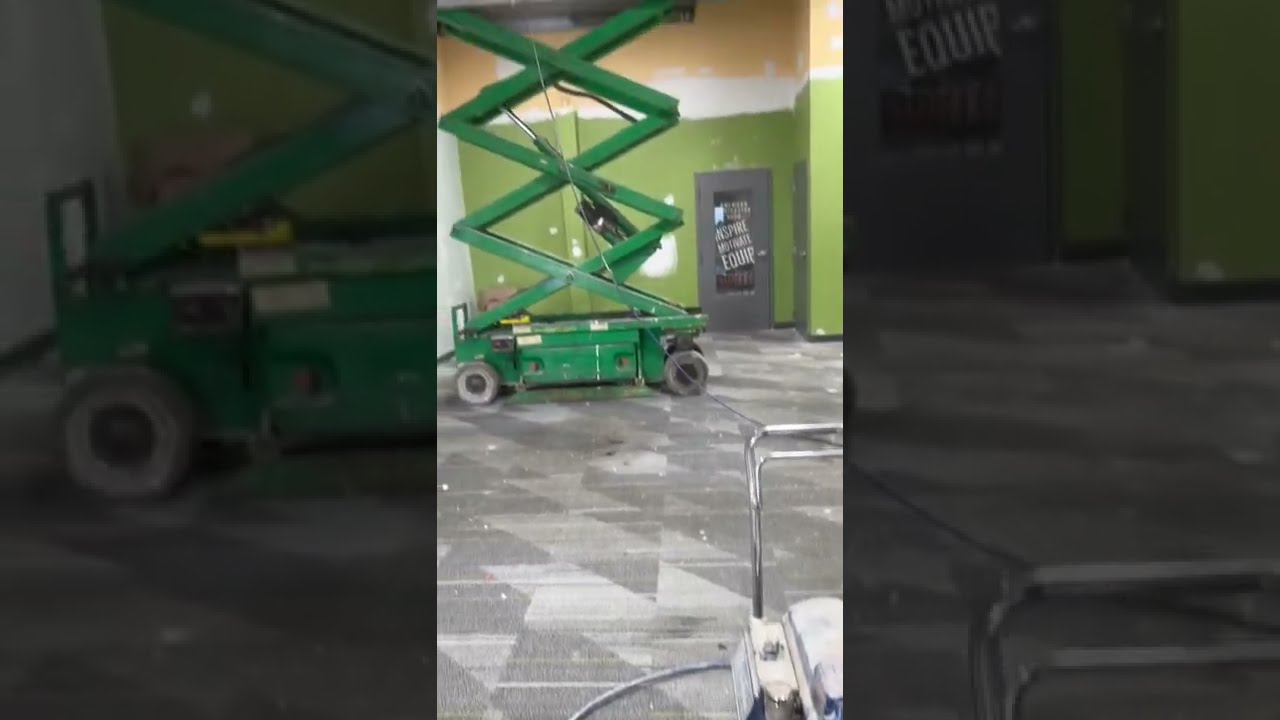
Ceiling painting in high-bay factories often requires scissor lifts, boom lifts or scaffolding, plus careful dust and overspray control. Bright, light-reflective coatings can improve visibility and reduce lighting demands. Expert interior painting also covers office areas, amenities, lunchrooms and clean zones, where washable, low-VOC finishes are often preferred.
Exterior Commercial Painting
Exterior commercial painting protects the building envelope. This includes Colorbond and metal cladding, brick exterior painting, trims, fascias, roller doors, bollards, fence painting for perimeter security fencing and deck painting for walkways, platforms and staff areas. Exterior trim painting may seem minor, but sealing joints and edges prevents moisture damage and extends the life of the wider coating system.
Surface Preparation: The Key to a Lasting Finish
Most coating failures trace back to inadequate preparation. Exterior paint preparation and industrial surface preparation typically involve several steps:
- Inspection and assessment: Identify rust grades, existing coating condition, moisture levels, contamination and substrate defects.
- Cleaning: High-pressure water washing, degreasing and removal of salts, oils and mould.
- Mechanical or abrasive preparation: Wire brushing, sanding, needle gunning or abrasive blasting to achieve the specified standard, such as Sa 2.5 for steel.
- Repairs: Crack filling, concrete patching, weld seam treatment and sealing of joints.
- Priming and coating application: Apply primers and topcoats within recommended recoat windows, under suitable temperature and humidity conditions.
- Quality control: Check film thickness, adhesion and finish, and document results.
Thorough exterior paint application in Joondalup should also account for weather. Hot, windy days can cause rapid skinning and overspray, while coastal humidity and morning dew can compromise adhesion if surfaces are coated too early or too late in the day.
Choosing Certified Commercial Painters and Contractors
Selecting the right commercial paint contractors reduces risk, downtime and lifecycle cost. When comparing commercial painting contractors, consider the following:
- Certification and licensing: Look for certified commercial painters with relevant WA licensing, current insurances, and training in working at heights, confined spaces and hot works where relevant.
- Industrial experience: Ask for examples of commercial painting work in comparable plants, including coating specifications used and outcomes achieved.
- Safety systems: Contractors should provide site-specific safe work method statements, site inductions, and compliance with WorkSafe WA requirements.
- Product knowledge: Strong commercial painting expertise means recommending coatings by performance data, not just price.
- Warranty and documentation: Request written coating specifications, product data sheets, inspection records and workmanship warranties.
- Flexible scheduling: Experienced teams can work after hours, on weekends or during shutdowns to protect production.
Reputable commercial painting professionals and experienced painting professionals will visit the site, conduct a detailed inspection and provide a scope that clearly defines surface preparation, coating systems, access methods and timeframes. This level of detail is a hallmark of expert commercial painting and expert painting services.
Eco-Friendly Painting and Compliance in 2026
Eco-friendly painting is increasingly important for industrial operators. Many plants now specify low-VOC or water-based systems where performance allows, particularly for interior areas, offices and walls. High-solids and solvent-free epoxies can reduce emissions while still delivering excellent protection. Responsible contractors also manage waste, capture blast media and wash-down water, store solvents properly and comply with environmental obligations under WA regulations.
Older facilities may also contain lead-based paints or asbestos-containing materials. Testing before sanding, scraping or blasting is essential, and any hazardous material must be handled according to current legislation. Looking ahead to 2027 and beyond, expect continued emphasis on sustainability reporting, lower-emission coatings and longer-lasting systems that reduce repainting frequency.
Exterior Paint Protection and Maintenance Planning
Good exterior paint maintenance extends coating life and spreads costs over time. A planned program often includes annual visual inspections, spot repairs on chips and rust bleed, scheduled washdowns to remove salt and pollutants, and recoating before the system fails completely. Early intervention is generally far cheaper than full strip-and-repaint work.
Exterior paint protection relies on matching the coating to the substrate and exposure. Examples include:
- Polyurethane topcoats for UV and colour retention on steel and cladding
- Elastomeric coatings for crack-bridging on concrete walls
- Epoxy mastic for tolerant, high-build protection over previously coated steel
- Anti-graffiti clear coats for street-facing walls and fences
Each exterior paint job should be recorded in an asset register, including product names, batch numbers, colours and application dates, so future maintenance is straightforward.
Decorative and Branding Considerations
Industrial does not have to mean dull. Decorative painting can support corporate branding, wayfinding and safety. Colour-coded zones, brand colours on external walls, feature entries and clearly marked walkways create a more professional site and a safer working environment. Durable colour retention is the priority, so specifying UV-stable topcoats is advisable for external feature areas.
Related Residential and Light Commercial Services
Many Joondalup painting businesses that serve industry also provide house painting, house painting services, home painting, home exterior painting, exterior house painting, home interior painting and house interior painting. Business owners with on-site residences, caretaker accommodation or staff housing can sometimes coordinate these projects under one contractor. Offering exterior painting, exterior surface painting and exterior painting specialists across both commercial and residential work shows the depth of a contractor's capability, though industrial projects should always be assigned to teams with relevant protective coatings experience.
Planning Your Factory Painting Project
To get the best outcome, start planning well before coatings begin to fail. Gather drawings, previous coating records and any known problem areas. Define your priorities, such as corrosion control, floor durability, safety marking or appearance. Request a detailed site inspection, compare itemised quotes and confirm how the contractor will manage access, ventilation, waste and communication with your production team.
Working with qualified commercial painting services providers in Joondalup gives plant managers confidence that coatings are specified for local conditions, applied to a high standard and maintained over time. A well-planned coating program protects valuable assets, supports a safer workplace and delivers lasting value for heavy industry operations.
Joondalup Painting Experts
Joondalup Dr, Joondalup WA 6027, Australia
(08) 5122 5618